



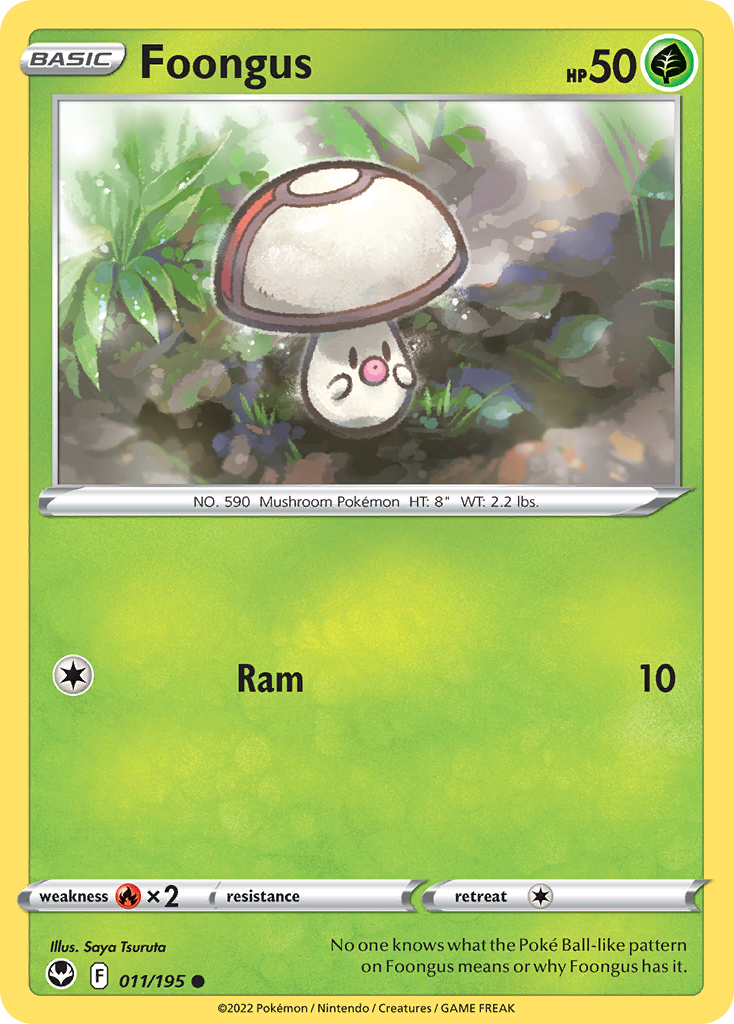
Foongus

No one knows what the Poké Ball–like pattern on Foongus means or why Foongus has it.

| Supertype | Pokémon |
|---|---|
| Subtype | Basic |
| HP | 50 |
| Types | Grass |
| Attack | Ram |
| Attack cost | Colorless |
| Artist | Saya Tsuruta |
| Rarity | Common |
| Pokédex | 590 |
| Evolves to | Amoonguss |
Vendor Information
- Store Name: DutchGem
- Vendor: DutchGem
-
Address:
gekkestraat
179
2345GT Utrecht
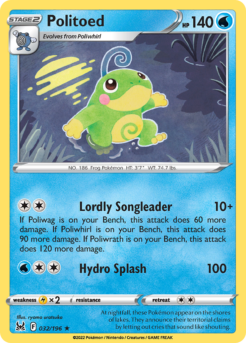
Lost Origin
At nightfall, these Pokémon appear on the shores of lakes. They announce their territorial claims by letting out cries that sound like shouting.
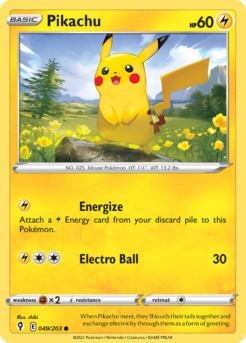
Evolving Skies
When Pikachu meet, they'll touch their tails together and exchange electricity through them as a form of greeting.
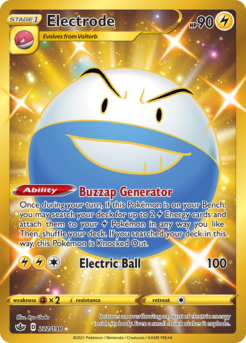
Chilling Reign
It stores an overflowing amount of electric energy inside its body. Even a small shock makes it explode.
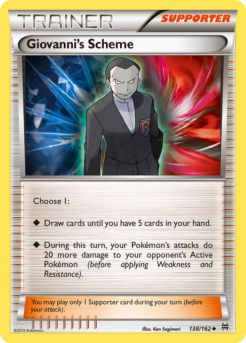
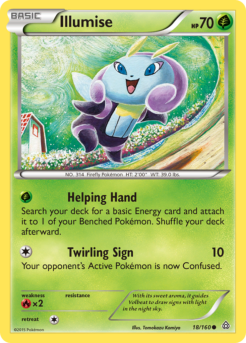
Primal Clash
With its sweet aroma, it guides Volbeat to draw signs with light in the night sky.
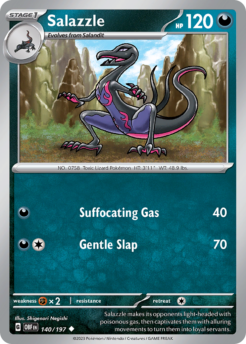
Obsidian Flames
Salazzle makes its opponents light-headed with poisonous gas, then captivates them with alluring movements to turn them into loyal servants.
Ähnliche Produkte
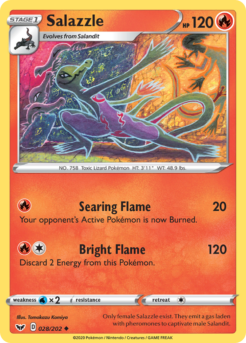
Sword & Shield
Only female Salazzle exist. They emit a gas laden with pheromones to captivate male Salandit.
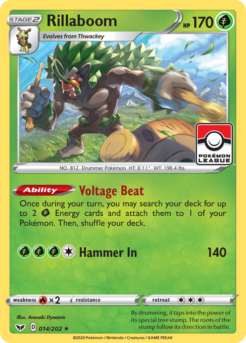
Sword & Shield
By drumming, it taps into the power of its special tree stump. The roots of the stump follow its direction in battle.
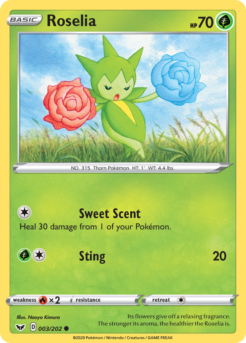
Sword & Shield
Its flowers give off a relaxing fragrance. The stronger its aroma, the healthier the Roselia is.
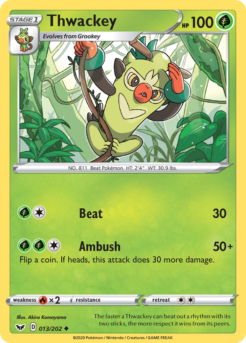
Sword & Shield
The faster a Thwackey can beat out a rhythm with its two sticks, the more respect it wins from its peers.
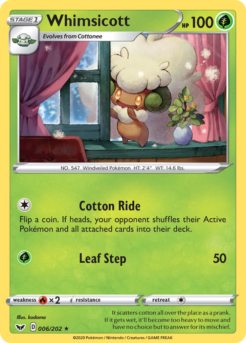
Sword & Shield
It scatters cotton all over the place as a prank. If it gets wet, it'll become too heavy to move and have no choice but to answer for its mischief.
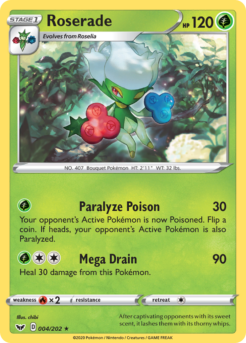
Sword & Shield
After captivating opponents with its sweet scent, it lashes them with its thorny whips.
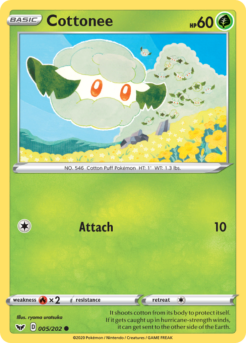
Sword & Shield
It shoots cotton from its body to protect itself. If it gets caught up in hurricane-strength winds, it can get sent to the other side of the Earth.
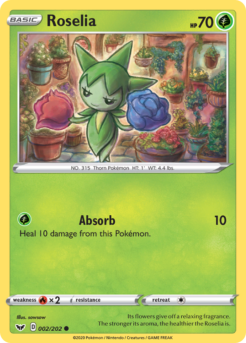
Sword & Shield
Its flowers give off a relaxing fragrance. The stronger its aroma, the healthier the Roselia is.