



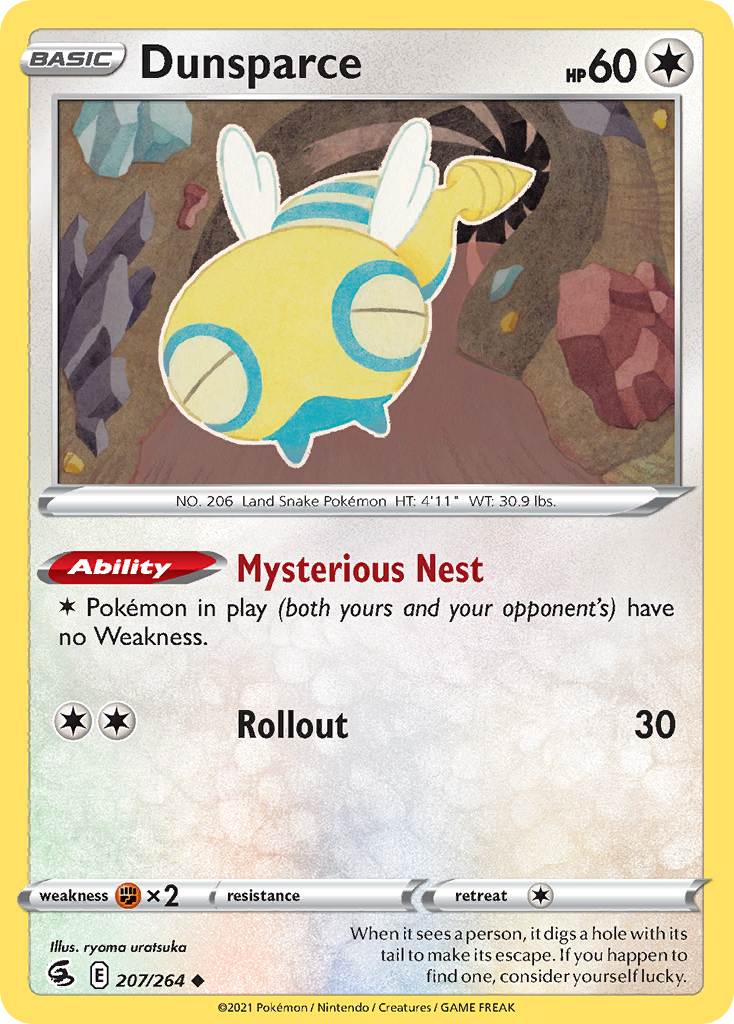
Dunsparce

When it sees a person, it digs a hole with its tail to make its escape. If you happen to find one, consider yourself lucky.
| Supertype | Pokémon |
|---|---|
| Subtype | Basic |
| HP | 60 |
| Types | Colorless |
| Attack | Rollout |
| Attack cost | Colorless |
| Artist | ryoma uratsuka |
| Rarity | Uncommon |
| Pokédex | 206 |
Vendor Information
- Store Name: DutchGem
- Vendor: DutchGem
-
Address:
gekkestraat
179
2345GT Utrecht
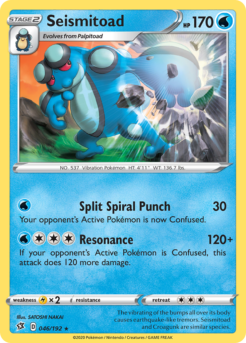
Rebel Clash
The vibrating of the bumps all over its body causes earthquake-like tremors. Seismitoad and Croagunk are similar species.
Flashfire
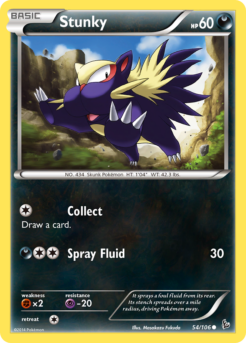
It sprays a foul fluid from its rear. Its stench spreads over a mile radius, driving Pokémon away.
Scarlet & Violet
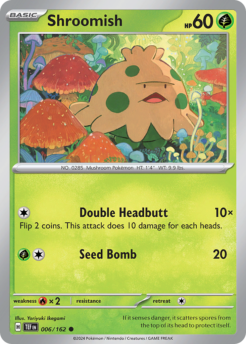
If it senses danger, it scatters spores from the top of its head to protect itself.
Burning Shadows
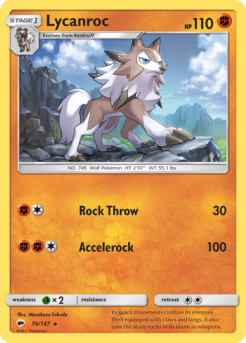
Its quick movements confuse its enemies. Well equipped with claws and fangs, it also uses the sharp rocks in its mane as weapons.
Chilling Reign
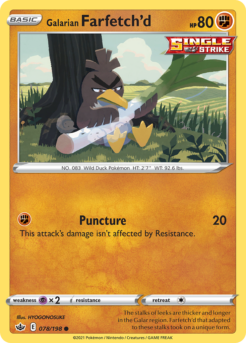
The stalks of leeks are thicker and longer in the Galar region. Farfetch'd that adapted to these stalks took on a unique form.
Obsidian Flames
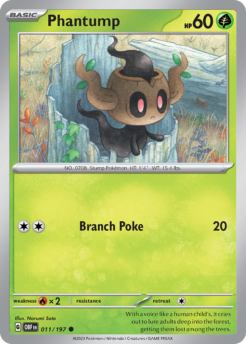
With a voice like a human child's, it cries out to lure adults deep into the forest, getting them lost among the trees.
Ähnliche Produkte
Sword & Shield
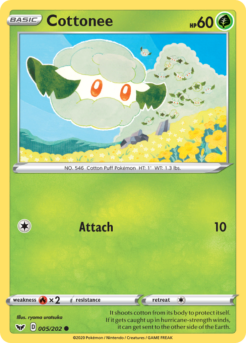
It shoots cotton from its body to protect itself. If it gets caught up in hurricane-strength winds, it can get sent to the other side of the Earth.
Sword & Shield
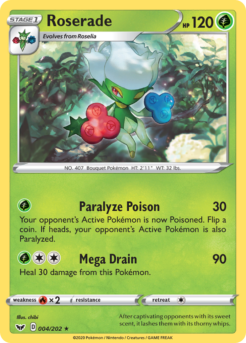
After captivating opponents with its sweet scent, it lashes them with its thorny whips.
Sword & Shield
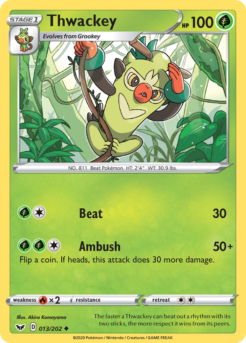
The faster a Thwackey can beat out a rhythm with its two sticks, the more respect it wins from its peers.
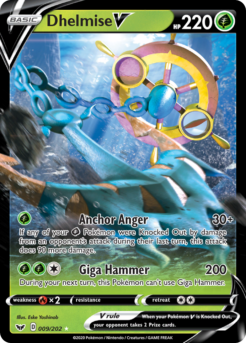
Sword & Shield
If any of your Grass Pokémon were Knocked Out by damage from an opponent’s attack during their last turn, this attack does 90 more damage.
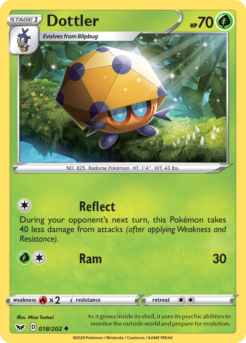
Sword & Shield
As it grows inside its shell, it uses its psychic abilities to monitor the outside world and prepare for evolution.
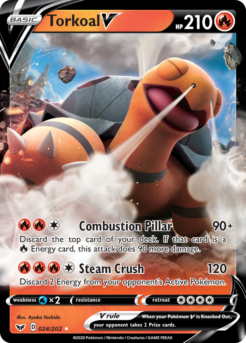
Sword & Shield
Discard the top card of your deck. If that card is a Fire Energy card, this attack does 90 more damage.
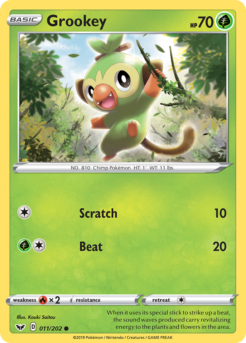
Sword & Shield
When it uses its special stick to strike up a beat, the sound waves produced carry revitalizing energy to the plants and flowers in the area.

Sword & Shield
Attach up to 3 Fire Energy cards from your discard pile to your Pokémon in any way you like.