



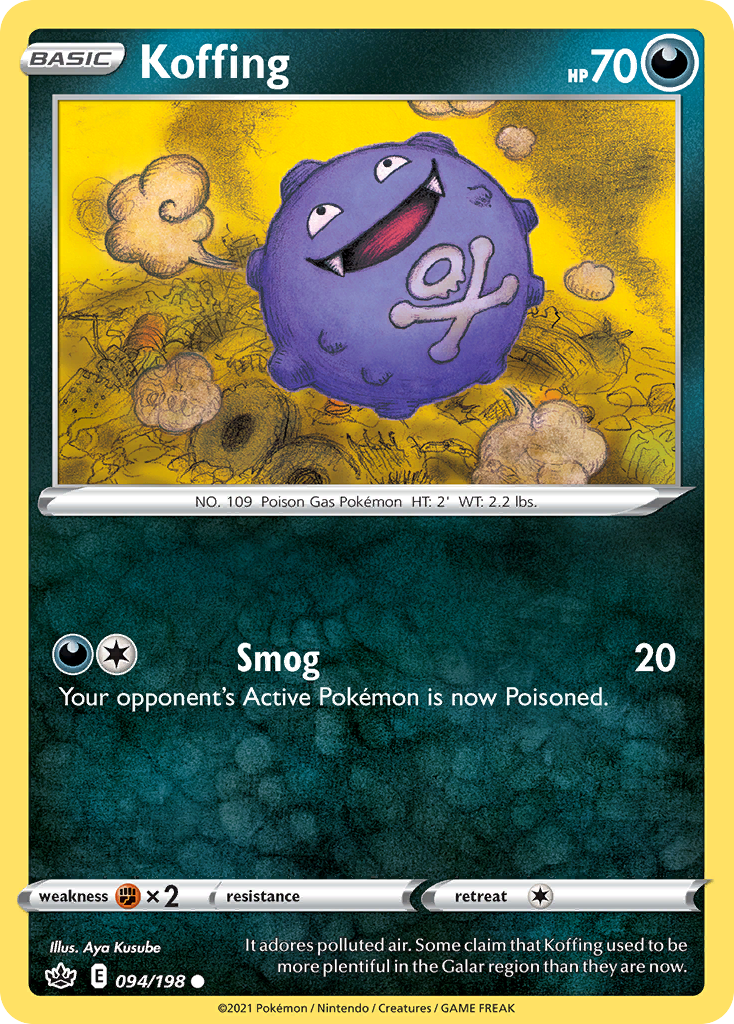
Koffing
It adores polluted air. Some claim that Koffing used to be more plentiful in the Galar region than they are now.
Your opponent’s Active Pokémon is now Poisoned.
| Supertype | Pokémon |
|---|---|
| Subtype | Basic |
| HP | 70 |
| Types | Darkness |
| Attack | Smog |
| Attack cost | Darkness |
| Artist | Aya Kusube |
| Rarity | Common |
| Pokédex | 109 |
| Evolves to | Weezing |
Vendor Information
- Store Name: DutchGem
- Vendor: DutchGem
-
Address:
gekkestraat
179
2345GT Utrecht
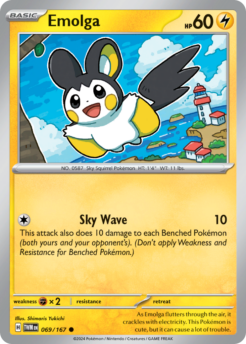
Scarlet & Violet
As Emolga flutters through the air, it crackles with electricity. This Pokémon is cute, but it can cause a lot of trouble.
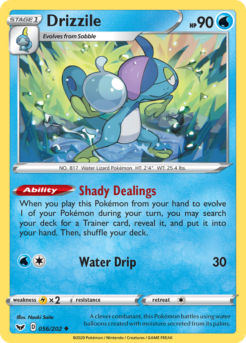
Sword & Shield
A clever combatant, this Pokémon battles using water balloons created with moisture secreted from its palms.
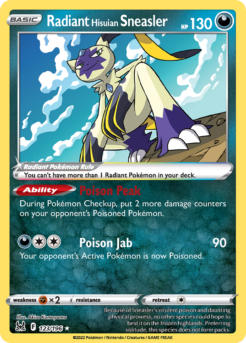
Lost Origin
Because of Sneasler's virulent poison and daunting physical prowess, no other species could hope to best it on the frozen highlands. Preferring solitude, this species does not form packs.
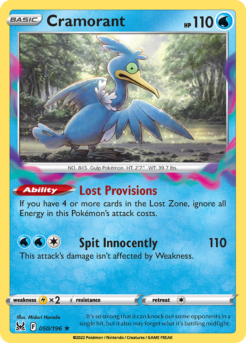
Lost Origin
It's so strong that it can knock out some opponents in a single hit, but it also may forget what it's battling midfight.
Ähnliche Produkte
Sword & Shield
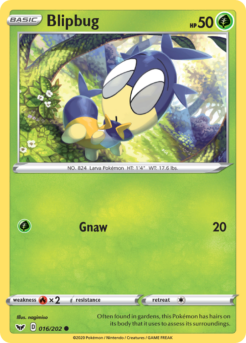
Often found in gardens, this Pokémon has hairs on its body that it uses to assess its surroundings.
Sword & Shield
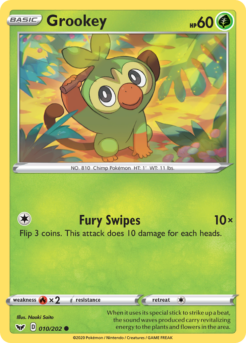
When it uses its special stick to strike up a beat, the sound waves produced carry revitalizing energy to the plants and flowers in the area.
Sword & Shield
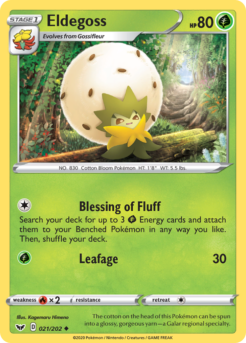
The cotton on the head of this Pokémon can be spun into a glossy, gorgeous yarn—a Galar regional specialty.
Sword & Shield
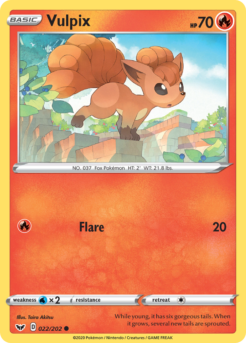
While young, it has six gorgeous tails. When it grows, several new tails are sprouted.
Sword & Shield
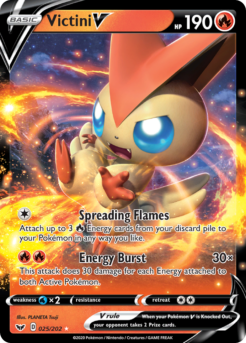
Attach up to 3 Fire Energy cards from your discard pile to your Pokémon in any way you like.
Sword & Shield
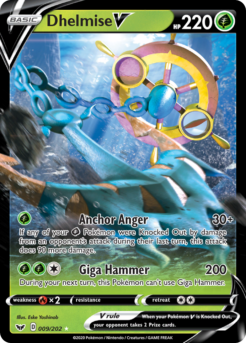
If any of your Grass Pokémon were Knocked Out by damage from an opponent’s attack during their last turn, this attack does 90 more damage.
Sword & Shield
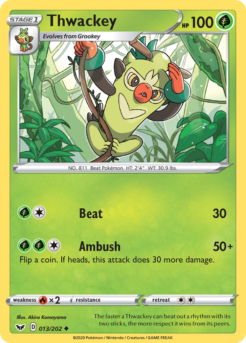
The faster a Thwackey can beat out a rhythm with its two sticks, the more respect it wins from its peers.
Sword & Shield
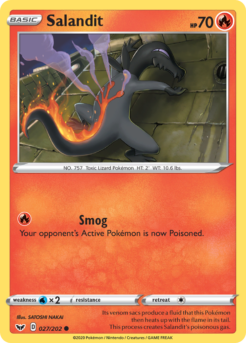
Its venom sacs produce a fluid that this Pokémon then heats up with the flame in its tail. This process creates Salandit's poisonous gas.