






Attach a Fighting Energy card from your discard pile to this Pokémon.
| Supertype | Pokémon |
|---|---|
| Subtype | Basic |
| HP | 220 |
| Types | Fighting |
| Attack | Sand Eater |
| Attack cost | Fighting |
| Artist | aky CG Works |
| Rarity | Rare Holo V |
| Pokédex | 844 |
Vendor Information
- Store Name: DutchGem
- Vendor: DutchGem
-
Address:
gekkestraat
179
2345GT Utrecht
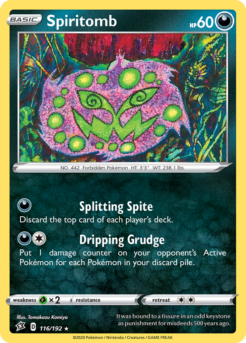
Rebel Clash
It was bound to a fissure in an Odd Keystone as punishment for misdeeds 500 years ago.
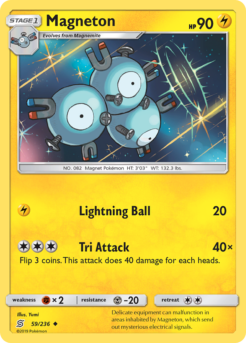
Sun & Moon
Delicate equipment can malfunction in areas inhabited by Magneton, which send out mysterious electrical signals.
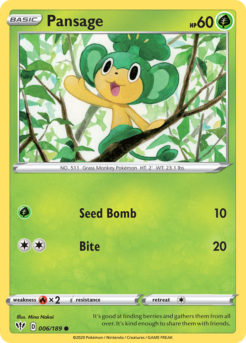
Darkness Ablaze
It's good at finding berries and gathers them from all over. It's kind enough to share them with friends.
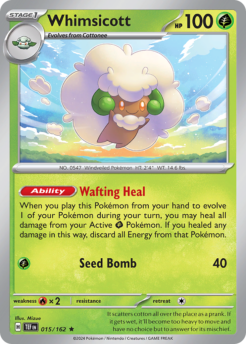
Scarlet & Violet
It scatters cotton all over the place as a prank. If it gets wet, it'll become too heavy to move and have no choice but to answer for its mischief.
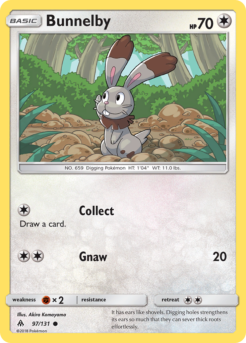
Forbidden Light
It has ears like shovels. Digging holes strengthens its ears so much that they can sever thick roots effortlessly.
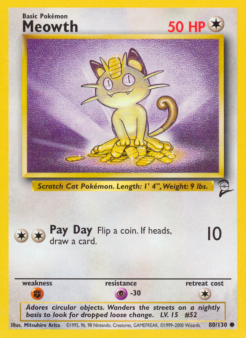
Base
Adores circular objects. Wanders the streets on a nightly basis to look for dropped loose change.
Ähnliche Produkte
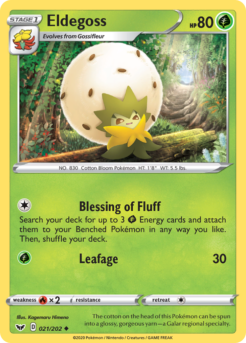
Sword & Shield
The cotton on the head of this Pokémon can be spun into a glossy, gorgeous yarn—a Galar regional specialty.
Sword & Shield
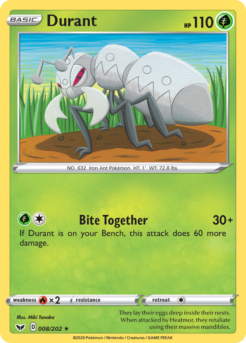
They lay their eggs deep inside their nests. When attacked by Heatmor, they retaliate using their massive mandibles.

Sword & Shield
Attach up to 3 Fire Energy cards from your discard pile to your Pokémon in any way you like.
Sword & Shield
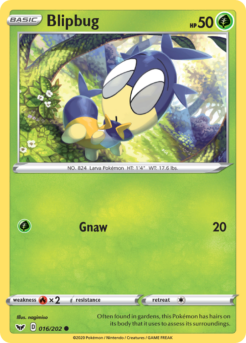
Often found in gardens, this Pokémon has hairs on its body that it uses to assess its surroundings.
Sword & Shield
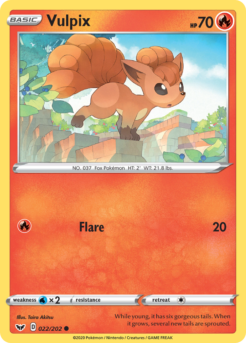
While young, it has six gorgeous tails. When it grows, several new tails are sprouted.
Sword & Shield
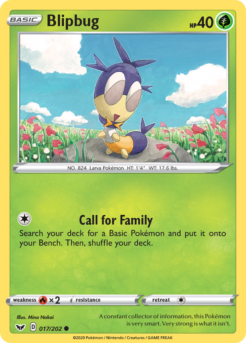
A constant collector of information, this Pokémon is very smart. Very strong is what it isn't.
Sword & Shield
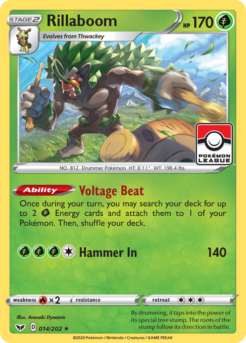
By drumming, it taps into the power of its special tree stump. The roots of the stump follow its direction in battle.
Sword & Shield
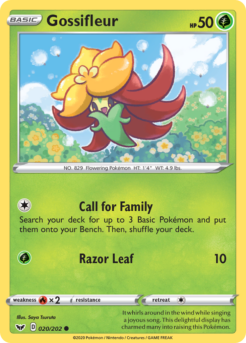
It whirls around in the wind while singing a joyous song. This delightful display has charmed many into raising this Pokémon.