



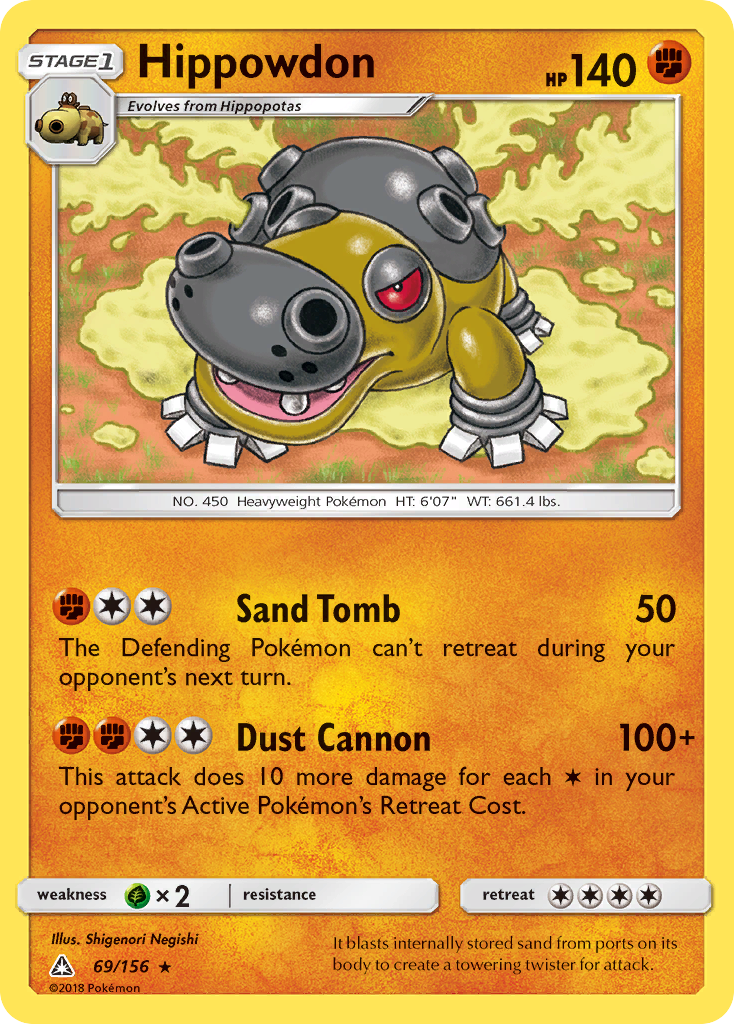
Hippowdon
It blasts internally stored sand from ports on its body to create a towering twister for attack.
The Defending Pokémon can’t retreat during your opponent’s next turn.
| Supertype | Pokémon |
|---|---|
| Subtype | Stage 1 |
| HP | 140 |
| Types | Fighting |
| Attack | Sand Tomb |
| Attack cost | Fighting |
| Artist | Shigenori Negishi |
| Rarity | Rare |
| Pokédex | 450 |
| Evolves from | Hippopotas |
Vendor Information
- Store Name: DutchGem
- Vendor: DutchGem
-
Address:
gekkestraat
179
2345GT Utrecht
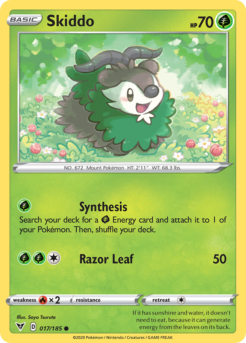
Sword & Shield
If it has sunshine and water, it doesn't need to eat, because it can generate energy from the leaves on its back.
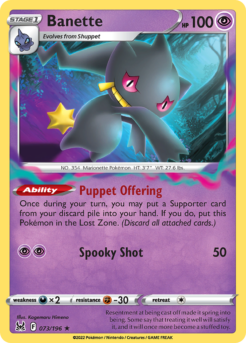
Lost Origin
Resentment at being cast off made it spring into being. Some say that treating it well will satisfy it, and it will once more become a stuffed toy.
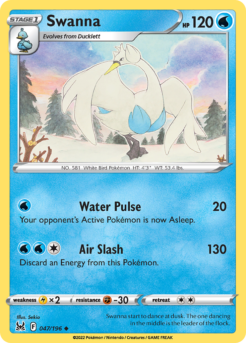
Lost Origin
Swanna start to dance at dusk. The one dancing in the middle is the leader of the flock.


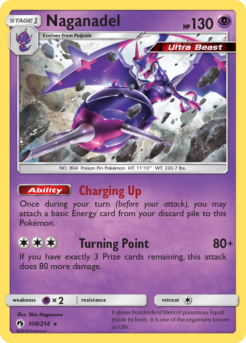
Lost Thunder
It stores hundreds of liters of poisonous liquid inside its body. It is one of the organisms known as UBs.
Related products

Sun & Moon
Coal is the source of Torkoal's energy. Large amounts of coal can be found in the mounts where they live.
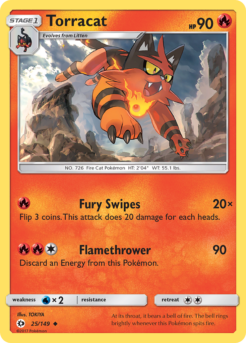
Sun & Moon
At its throat, it bears a bell of fire. The bell rings brightly whenever this Pokémon spits fire.
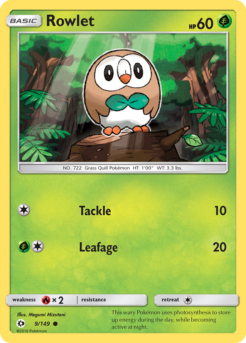
Sun & Moon
This wary Pokémon uses photosynthesis to store up energy during the day, while becoming active at night.
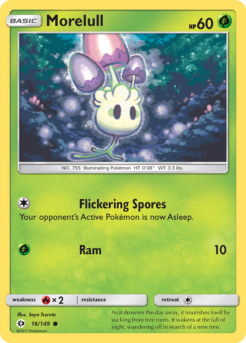
Sun & Moon
As it drowses the day away, it nourishes itself by sucking from tree roots. It wakens at the fall of night, wandering off in search of a new tree.
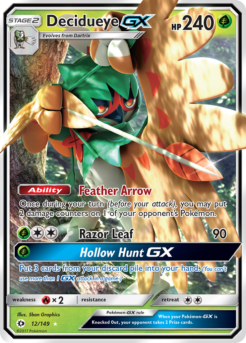
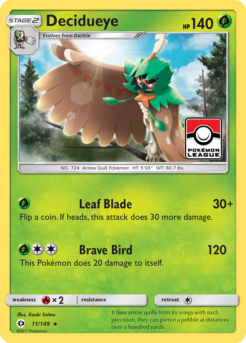
Sun & Moon
It fires arrow quills from its wings with such precision, they can pierce a pebble at distances over a hundred yards.
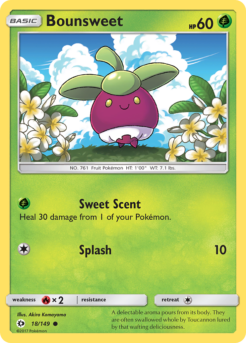
Sun & Moon
A delectable aroma pours from its body. They are often swallowed whole by Toucannon lured by that wafting deliciousness.
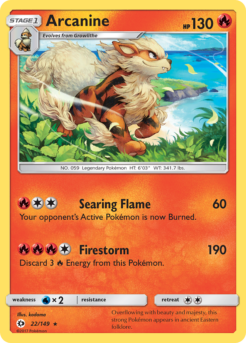
Sun & Moon
Overflowing with beauty and majesty, this strong Pokémon appears in ancient Eastern folklore.