



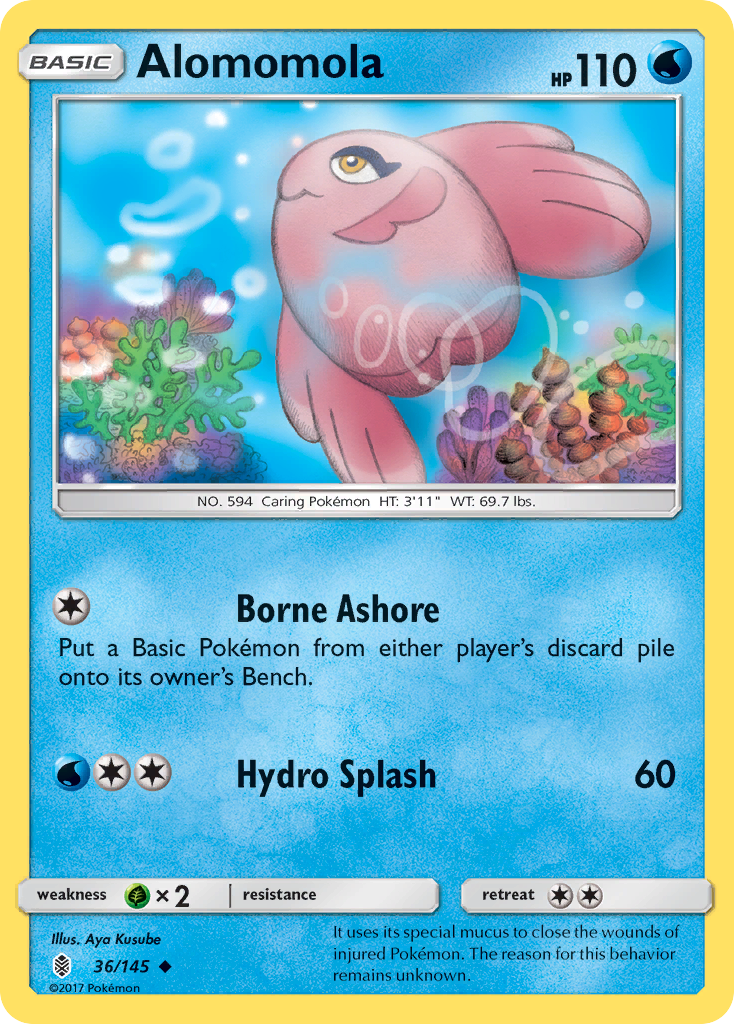
Alomomola
It uses its special mucus to close the wounds of injured Pokémon. The reason for this behavior remains unknown.
Put a Basic Pokémon from either player’s discard pile onto its owner’s Bench.
| Supertype | Pokémon |
|---|---|
| Subtype | Basic |
| HP | 110 |
| Types | Water |
| Attack | Borne Ashore |
| Attack cost | Colorless |
| Artist | Aya Kusube |
| Rarity | Uncommon |
| Pokédex | 594 |
Vendor Information
- Store Name: DutchGem
- Vendor: DutchGem
-
Address:
gekkestraat
179
2345GT Utrecht
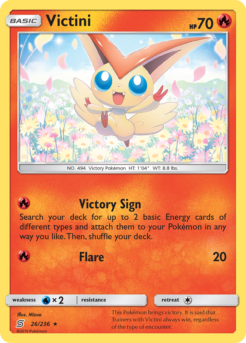
Sun & Moon
This Pokémon brings victory. It is said that Trainers with Victini always win, regardless of the type of encounter.
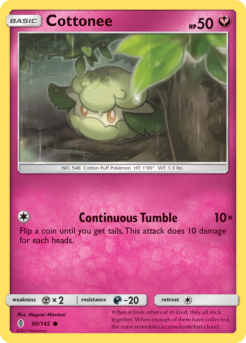
Guardians Rising
When it finds others of its kind, they all stick together. When enough of them have collected, the mass resembles a cumulonimbus cloud.
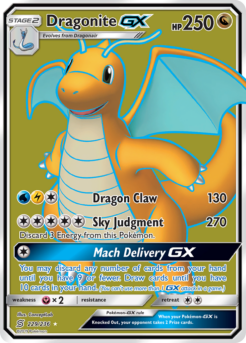
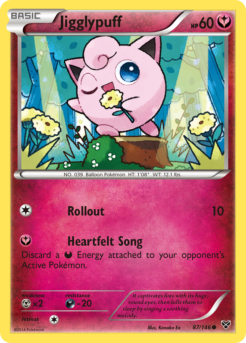
XY
It captivates foes with its huge, round eyes, then lulls them to sleep by singing a soothing melody.
Sun & Moon
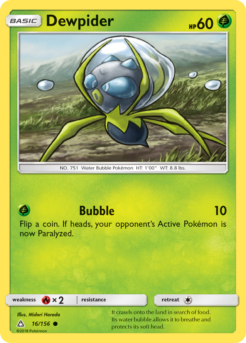
It crawls onto the land in search of food. Its water bubble allows it to breathe and protects its soft head.
Sun & Moon
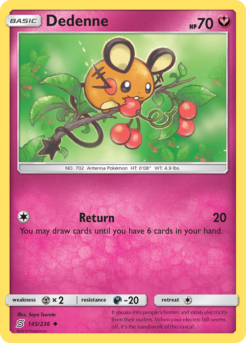
It sneaks into people's homes and steals electricity from their outlets. When your electric bill seems off, it's the handiwork of this rascal.
Related products
Sun & Moon
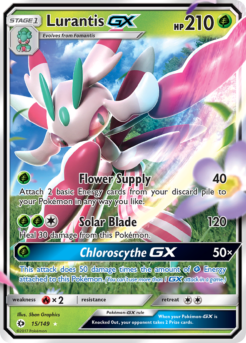
Attach 2 basic Energy cards from your discard pile to your Pokémon in any way you like.
Sun & Moon
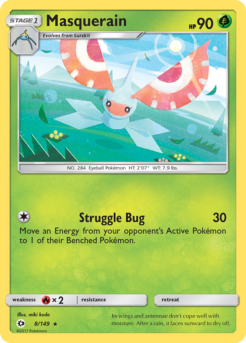
Its wings and antennae don't cope well with moisture. After a rain, it faces sunward to dry off.
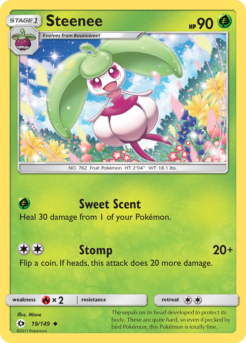
Sun & Moon
The sepals on its head developed to protect its body. These are quite hard, so even if pecked by bird Pokémon, this Pokémon is totally fine.
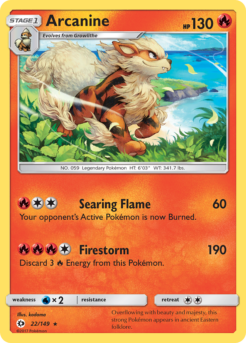
Sun & Moon
Overflowing with beauty and majesty, this strong Pokémon appears in ancient Eastern folklore.
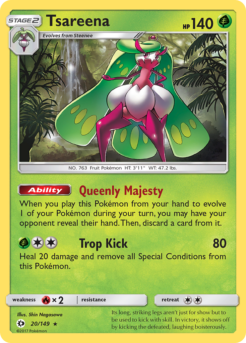
Sun & Moon
Its long, striking legs aren't just for show but to be used to kick with skill. In victory, it shows off by kicking the defeated, laughing boisterously.
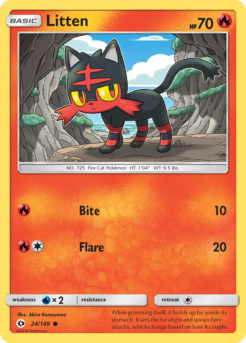
Sun & Moon
While grooming itself, it builds up fur inside its stomach. It sets the fur alight and spews fiery attacks, which change based on how it coughs.
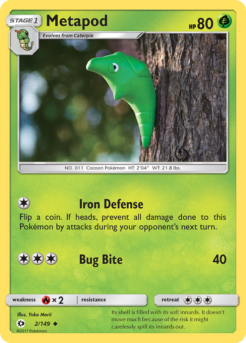
Sun & Moon
Its shell is filled with its soft innards. It doesn't move much because of the risk it might carelessly spill its innards out.
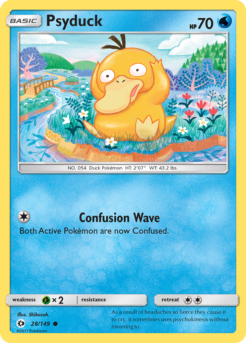
Sun & Moon
As a result of headaches so fierce they cause it to cry, it sometimes uses psychokinesis without meaning to.