



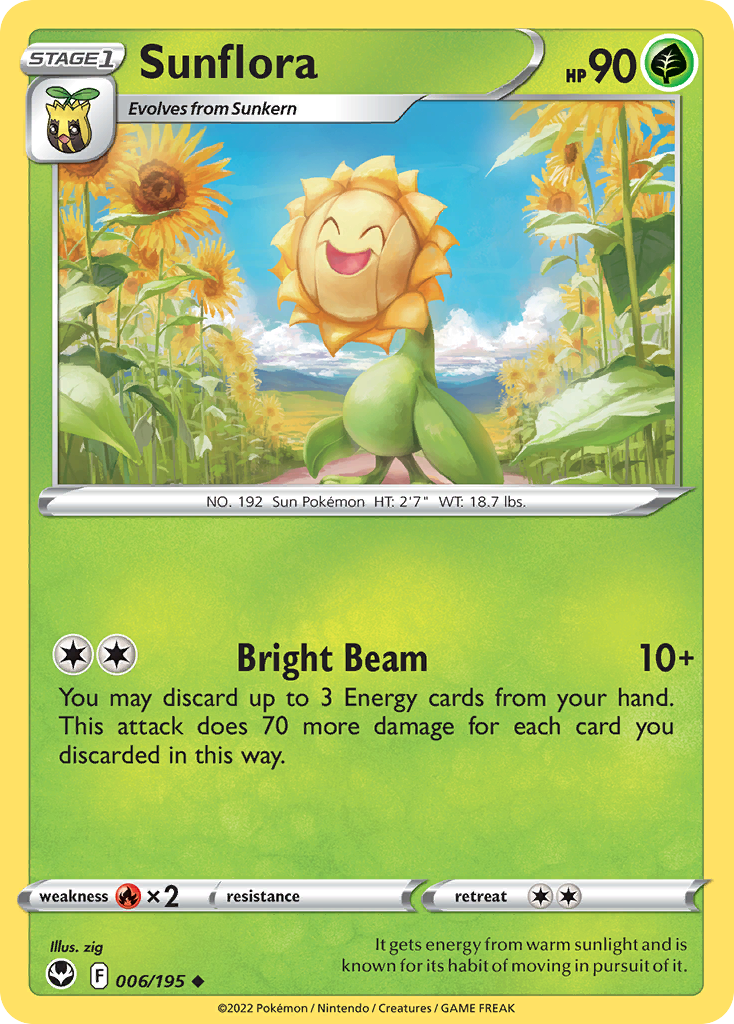
Sunflora
It gets energy from warm sunlight and is known for its habit of moving in pursuit of it.
You may discard up to 3 Energy cards from your hand. This attack does 70 more damage for each card you discarded in this way.
| Supertype | Pokémon |
|---|---|
| Subtype | Stage 1 |
| HP | 90 |
| Types | Grass |
| Attack | Bright Beam |
| Attack cost | Colorless |
| Artist | zig |
| Rarity | Uncommon |
| Pokédex | 192 |
| Evolves from | Sunkern |
Vendor Information
- Store Name: DutchGem
- Vendor: DutchGem
-
Address:
gekkestraat
179
2345GT Utrecht
Sun & Moon
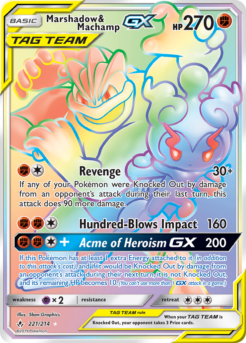
If any of your Pokémon were Knocked Out by damage from an opponent’s attack during their last turn, this attack does 90 more damage.
Flashfire
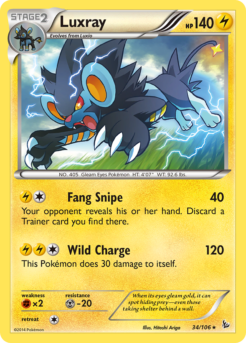
When its eyes gleam gold, it can spot hiding prey–even those taking shelter behind a wall.

Rebel Clash
It stores poison in an internal poison sac and secretes that poison through its skin. If you touch this Pokémon, a tingling sensation follows.

151
If you played a Supporter card from your hand during this turn, this attack does 90 more damage.
Related products
Sword & Shield
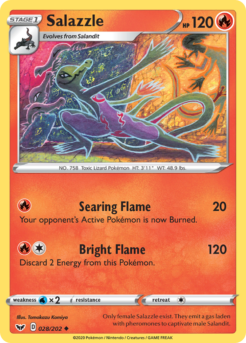
Only female Salazzle exist. They emit a gas laden with pheromones to captivate male Salandit.
Sword & Shield
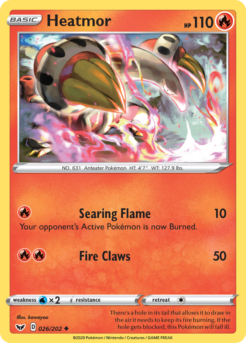
There's a hole in its tail that allows it to draw in the air it needs to keep its fire burning. If the hole gets blocked, this Pokémon will fall ill.

Sword & Shield
Search your deck for up to 2 Pokémon, reveal them, and put them into your hand. Then, shuffle your deck.
Sword & Shield
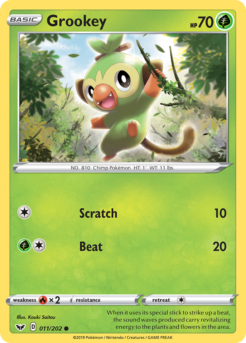
When it uses its special stick to strike up a beat, the sound waves produced carry revitalizing energy to the plants and flowers in the area.
Sword & Shield
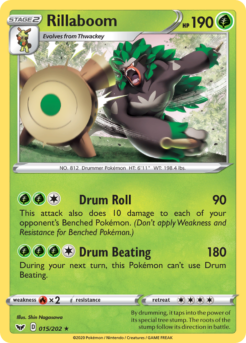
By drumming, it taps into the power of its special tree stump. The roots of the stump follow its direction in battle.
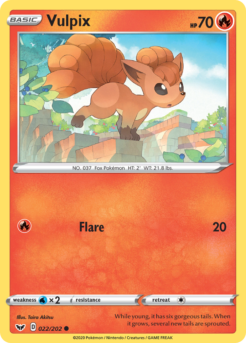
Sword & Shield
While young, it has six gorgeous tails. When it grows, several new tails are sprouted.
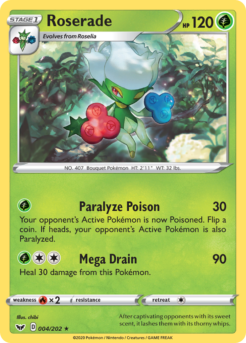
Sword & Shield
After captivating opponents with its sweet scent, it lashes them with its thorny whips.
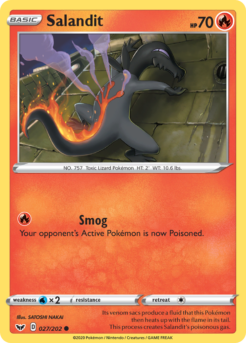
Sword & Shield
Its venom sacs produce a fluid that this Pokémon then heats up with the flame in its tail. This process creates Salandit's poisonous gas.