



Hippopotas
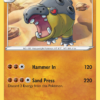

This Pokémon is active during the day and passes the cold desert nights burrowed snugly into the sand.
| Supertype | Pokémon |
|---|---|
| Subtype | Basic |
| HP | 100 |
| Types | Fighting |
| Attack | Tackle |
| Attack cost | Fighting |
| Artist | Yuya Oka |
| Rarity | Common |
| Pokédex | 449 |
| Evolves to | Hippowdon |
Vendor Information
- Store Name: DutchGem
- Vendor: DutchGem
-
Address:
gekkestraat
179
2345GT Utrecht
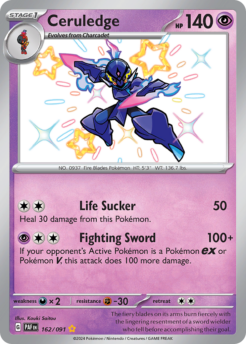
Paldean Fates
The fiery blades on its arms burn fiercely with the lingering resentment of a sword wielder who fell before accomplishing their goal.
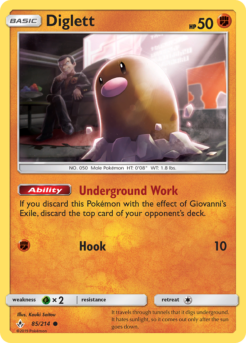
Sun & Moon
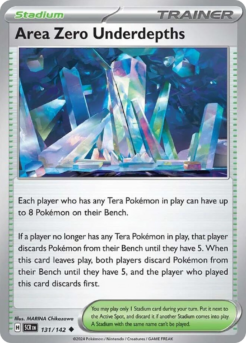
It travels through tunnels that it digs underground. It hates sunlight, so it comes out only after the sun goes down.

Celestial Storm
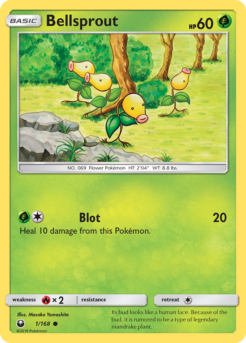
Its bud looks like a human face. Because of the bud, it is rumored to be a type of legendary mandrake plant.
Related products
Sword & Shield
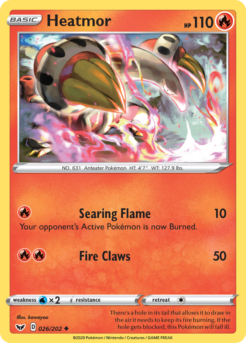
There's a hole in its tail that allows it to draw in the air it needs to keep its fire burning. If the hole gets blocked, this Pokémon will fall ill.
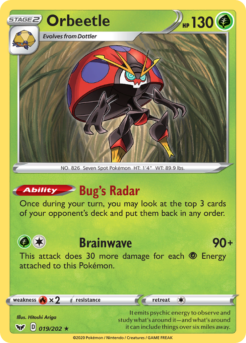
Sword & Shield
It emits psychic energy to observe and study what's around it—and what's around it can include things over six miles away.
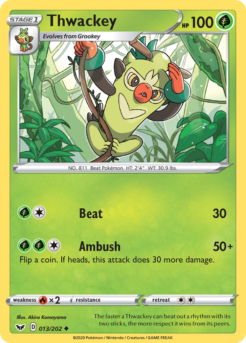
Sword & Shield
The faster a Thwackey can beat out a rhythm with its two sticks, the more respect it wins from its peers.
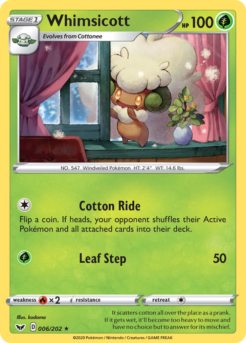
Sword & Shield
It scatters cotton all over the place as a prank. If it gets wet, it'll become too heavy to move and have no choice but to answer for its mischief.
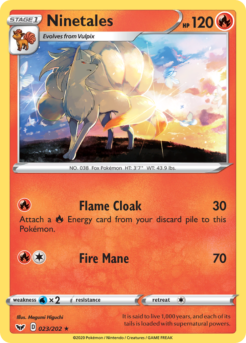
Sword & Shield
It is said to live 1,000 years, and each of its tails is loaded with supernatural powers.
Sword & Shield
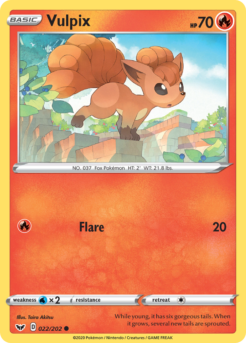
While young, it has six gorgeous tails. When it grows, several new tails are sprouted.
Sword & Shield
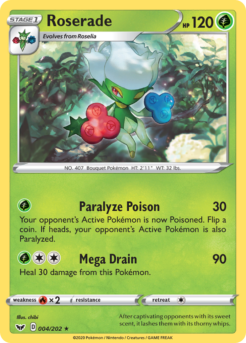
After captivating opponents with its sweet scent, it lashes them with its thorny whips.
Sword & Shield
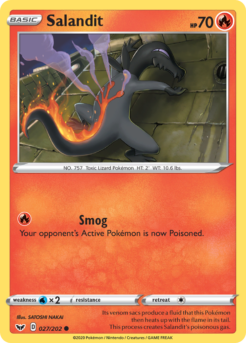
Its venom sacs produce a fluid that this Pokémon then heats up with the flame in its tail. This process creates Salandit's poisonous gas.