



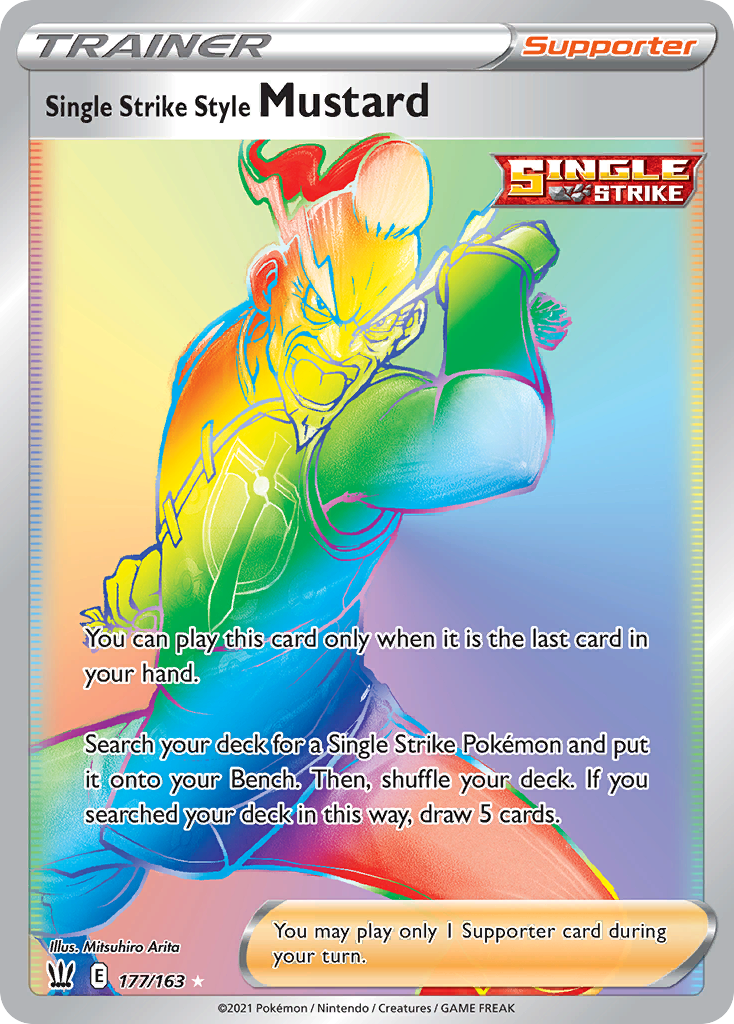


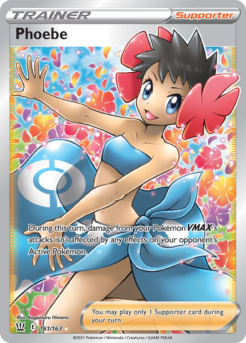
| Supertype | Trainer |
|---|---|
| Subtype | Supporter |
| Artist | Mitsuhiro Arita |
| Rarity | Rare Rainbow |
Vendor Information
- Store Name: DutchGem
- Vendor: DutchGem
-
Address:
gekkestraat
179
2345GT Utrecht
Sun & Moon
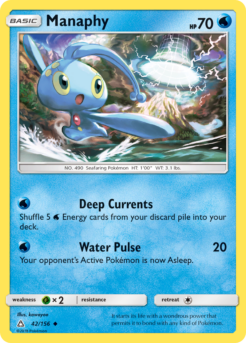
It starts its life with a wondrous power that permits it to bond with any kind of Pokémon.
Sun & Moon
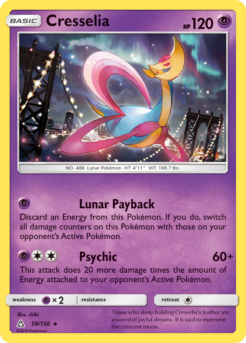
Those who sleep holding Cresselia's feather are assured of joyful dreams. It is said to represent the crescent moon.
Sun & Moon
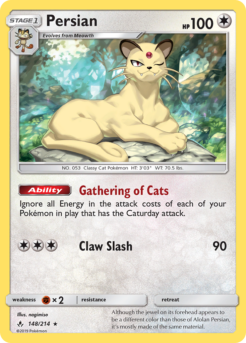
Although the jewel on its forehead appears to be a different color than those of Alolan Persian, it's mostly made of the same material.
Sword & Shield
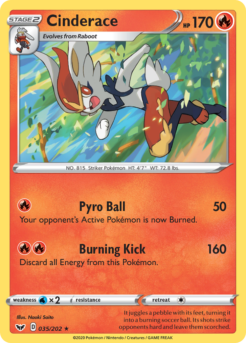
It juggles a pebble with its feet, turning it into a burning soccer ball. Its shots strike opponents hard and leave them scorched.
BREAKpoint
It appears in large numbers by seashores. At night, its central core flashes with a red light.
Related products
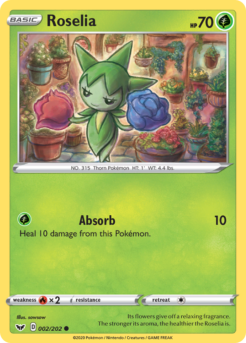
Sword & Shield
Its flowers give off a relaxing fragrance. The stronger its aroma, the healthier the Roselia is.
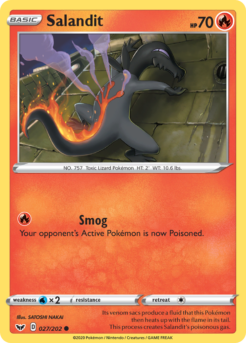
Sword & Shield
Its venom sacs produce a fluid that this Pokémon then heats up with the flame in its tail. This process creates Salandit's poisonous gas.
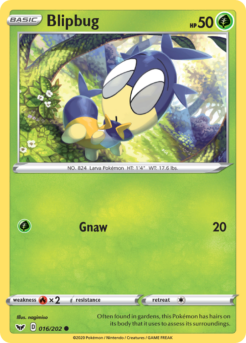
Sword & Shield
Often found in gardens, this Pokémon has hairs on its body that it uses to assess its surroundings.
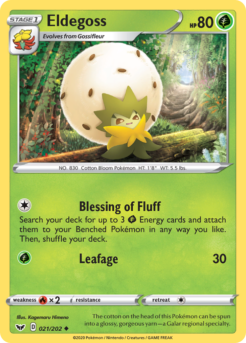
Sword & Shield
The cotton on the head of this Pokémon can be spun into a glossy, gorgeous yarn—a Galar regional specialty.
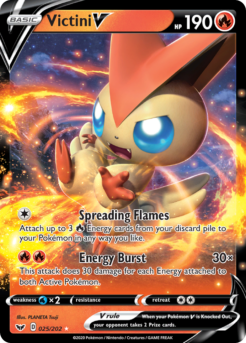
Sword & Shield
Attach up to 3 Fire Energy cards from your discard pile to your Pokémon in any way you like.
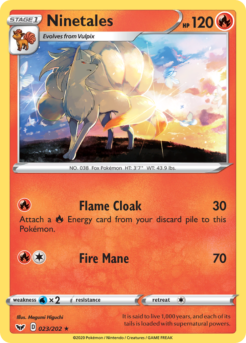
Sword & Shield
It is said to live 1,000 years, and each of its tails is loaded with supernatural powers.
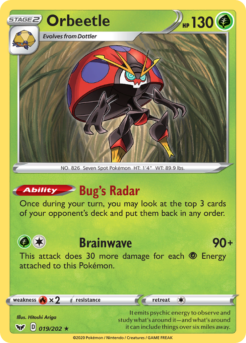
Sword & Shield
It emits psychic energy to observe and study what's around it—and what's around it can include things over six miles away.
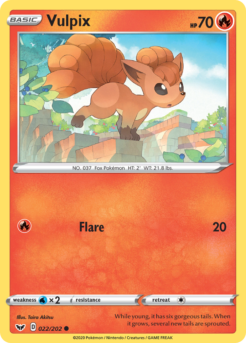
Sword & Shield
While young, it has six gorgeous tails. When it grows, several new tails are sprouted.