



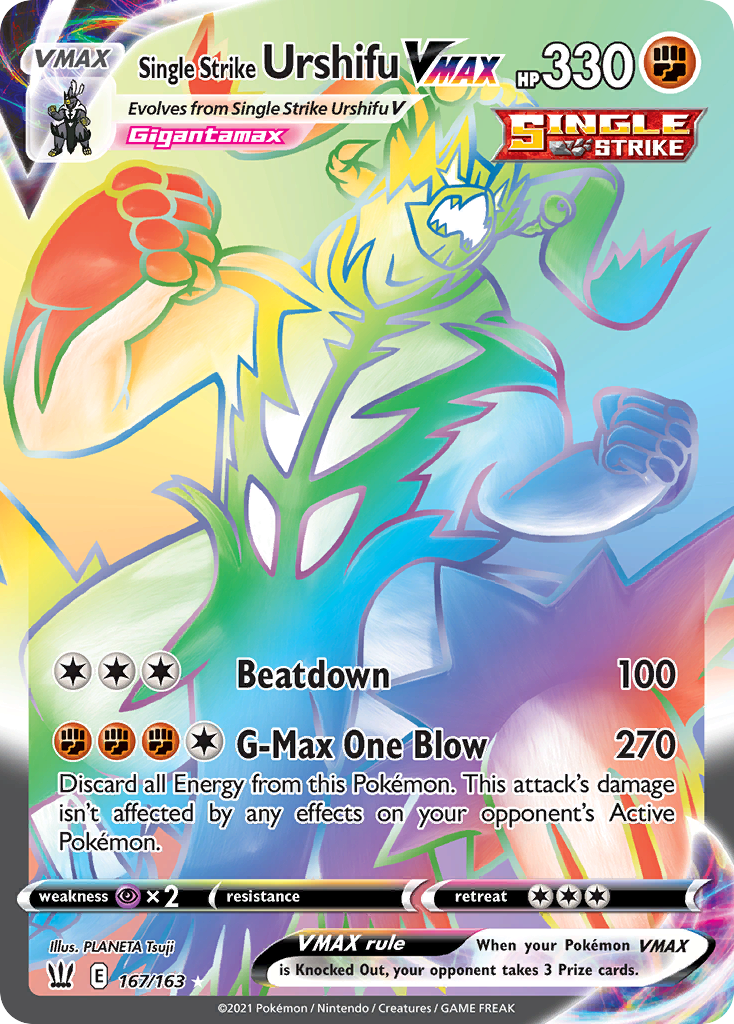
| Supertype | Pokémon |
|---|---|
| Subtype | VMAX |
| HP | 330 |
| Types | Fighting |
| Attack | Beatdown |
| Attack cost | Colorless |
| Artist | PLANETA Tsuji |
| Rarity | Rare Rainbow |
| Pokédex | 892 |
| Evolves from | Single Strike Urshifu V |
Vendor Information
- Store Name: DutchGem
- Vendor: DutchGem
-
Address:
gekkestraat
179
2345GT Utrecht
Scarlet & Violet
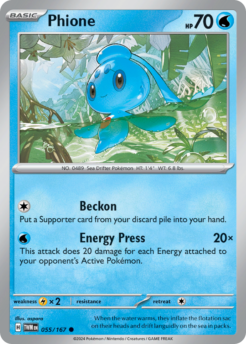
When the water warms, they inflate the flotation sac on their heads and drift languidly on the sea in packs.
Phantom Forces
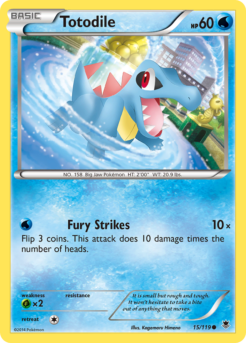
It is small but rough and tough. It won't hesitate to take a bite out of anything that moves.
Scarlet & Violet
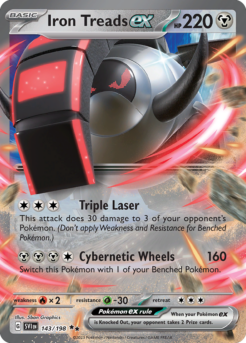
It creates a gas out of poison and minerals from rocks. It then detonates the gas in its cylinders— now numbering eight—to generate energy.
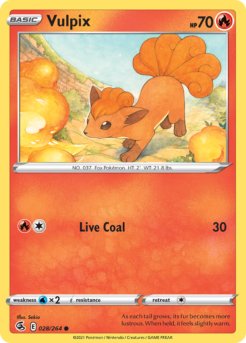
Fusion Strike
As each tail grows, its fur becomes more lustrous. When held, it feels slightly warm.
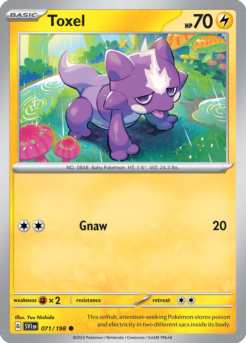
Scarlet & Violet
This selfish, attention-seeking Pokémon stores poison and electricity in two different sacs inside its body.
Related products
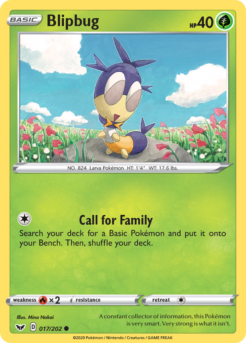
Sword & Shield
A constant collector of information, this Pokémon is very smart. Very strong is what it isn't.
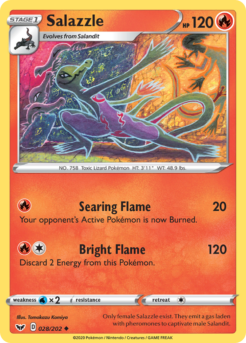
Sword & Shield
Only female Salazzle exist. They emit a gas laden with pheromones to captivate male Salandit.
Sword & Shield
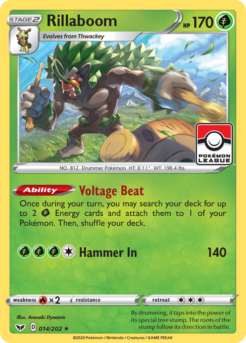
By drumming, it taps into the power of its special tree stump. The roots of the stump follow its direction in battle.
Sword & Shield
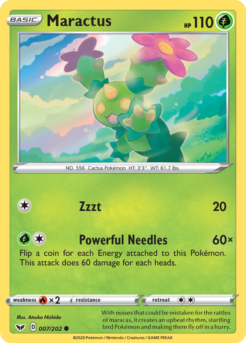
With noises that could be mistaken for the rattles of maracas, it creates an upbeat rhythm, startling bird Pokémon and making them fly off in a hurry.
Sword & Shield
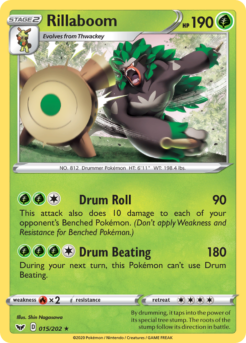
By drumming, it taps into the power of its special tree stump. The roots of the stump follow its direction in battle.
Sword & Shield
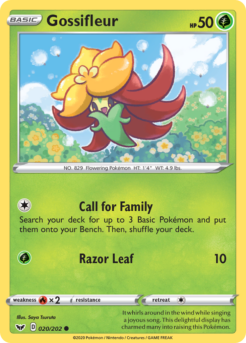
It whirls around in the wind while singing a joyous song. This delightful display has charmed many into raising this Pokémon.
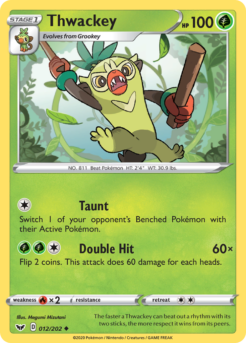
Sword & Shield
The faster a Thwackey can beat out a rhythm with its two sticks, the more respect it wins from its peers.
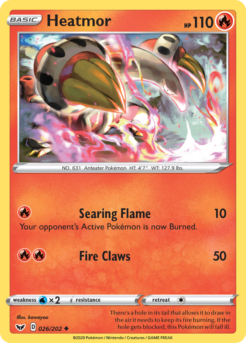
Sword & Shield
There's a hole in its tail that allows it to draw in the air it needs to keep its fire burning. If the hole gets blocked, this Pokémon will fall ill.