



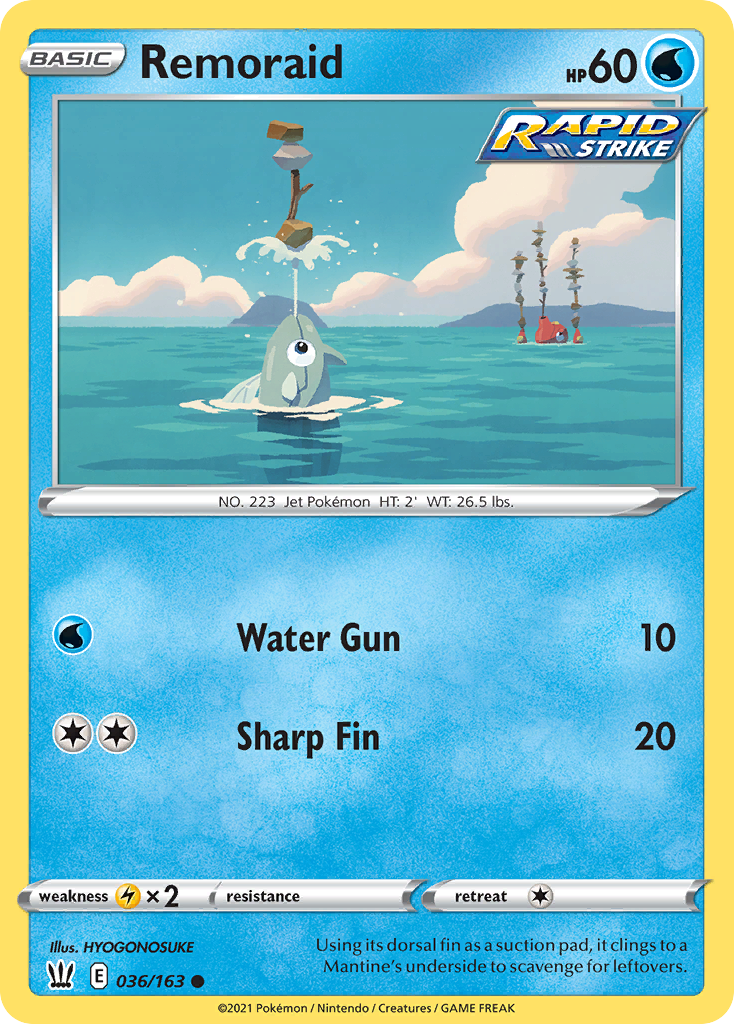
Remoraid
Using its dorsal fin as a suction pad, it clings to a Mantine’s underside to scavenge for leftovers.
| Supertype | Pokémon |
|---|---|
| Subtype | Basic |
| HP | 60 |
| Types | Water |
| Attack | Water Gun |
| Attack cost | Water |
| Artist | HYOGONOSUKE |
| Rarity | Common |
| Pokédex | 223 |
| Evolves to | Octillery |
Vendor Information
- Store Name: DutchGem
- Vendor: DutchGem
-
Address:
gekkestraat
179
2345GT Utrecht

Scarlet & Violet
During your opponent’s next turn, attacks used by the Defending Pokémon do 100 less damage (before applying Weakness and Resistance).
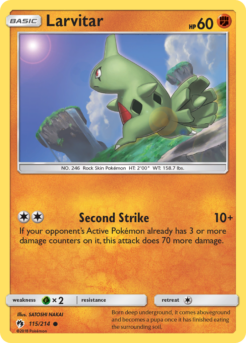
Lost Thunder
Born deep underground, it comes aboveground and becomes a pupa once it has finished eating the surrounding soil.
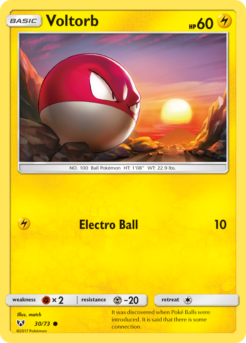
Shining Legends
It was discovered when Poké Balls were introduced. It is said that there is some connection.
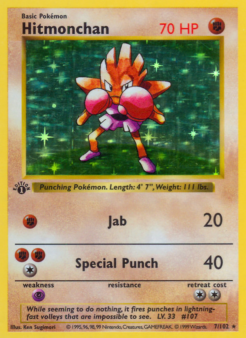
Base
While seeming to do nothing, it fires punches in lightning-fast volleys that are impossible to see.
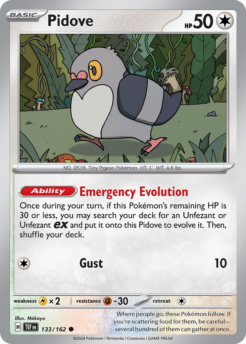
Scarlet & Violet
Where people go, these Pokémon follow. If you're scattering food for them, be careful— several hundred of them can gather at once.
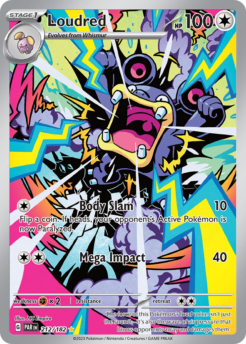
Paradox Rift
The force of this Pokémon's loud voice isn't just the sound—it's also the wave of air pressure that blows opponents away and damages them.
Related products
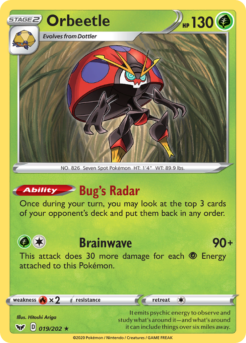
Sword & Shield
It emits psychic energy to observe and study what's around it—and what's around it can include things over six miles away.
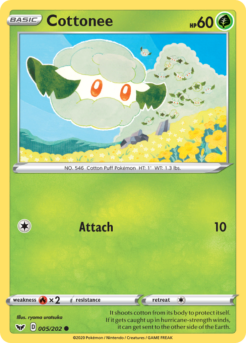
Sword & Shield
It shoots cotton from its body to protect itself. If it gets caught up in hurricane-strength winds, it can get sent to the other side of the Earth.
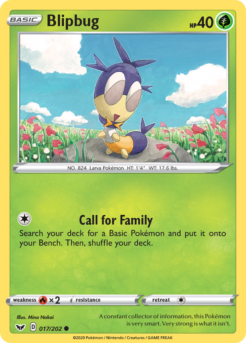
Sword & Shield
A constant collector of information, this Pokémon is very smart. Very strong is what it isn't.
Sword & Shield
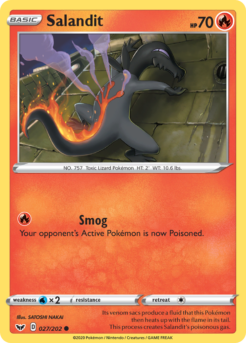
Its venom sacs produce a fluid that this Pokémon then heats up with the flame in its tail. This process creates Salandit's poisonous gas.

Sword & Shield
When it uses its special stick to strike up a beat, the sound waves produced carry revitalizing energy to the plants and flowers in the area.
Sword & Shield
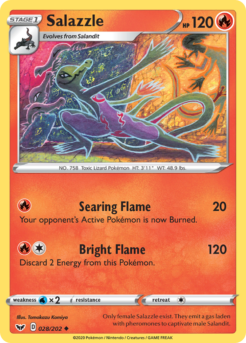
Only female Salazzle exist. They emit a gas laden with pheromones to captivate male Salandit.
Sword & Shield
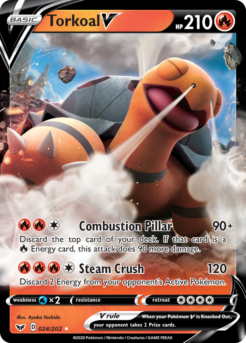
Discard the top card of your deck. If that card is a Fire Energy card, this attack does 90 more damage.
Sword & Shield
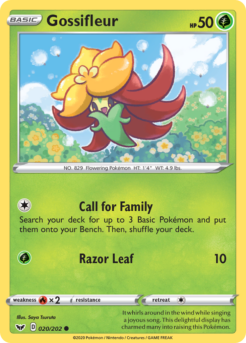
It whirls around in the wind while singing a joyous song. This delightful display has charmed many into raising this Pokémon.