



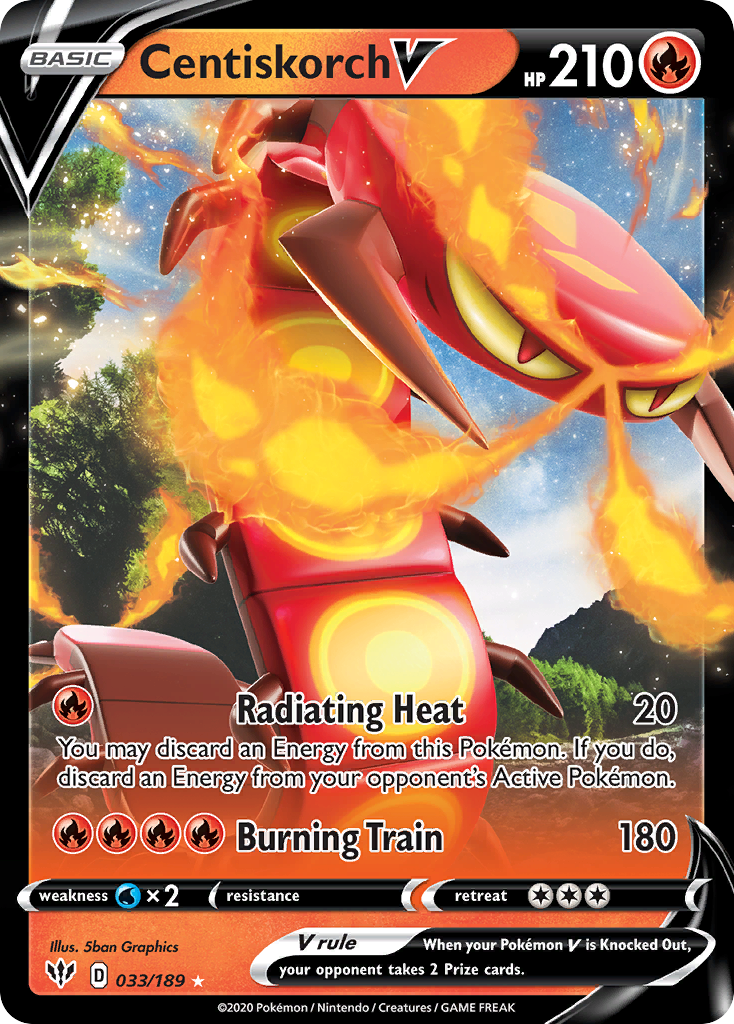


You may discard an Energy from this Pokémon. If you do, discard an Energy from your opponent’s Active Pokémon.
| Supertype | Pokémon |
|---|---|
| Subtype | Basic |
| HP | 210 |
| Types | Fire |
| Attack | Radiating Heat |
| Attack cost | Fire |
| Artist | 5ban Graphics |
| Rarity | Rare Holo V |
| Pokédex | 851 |
Vendor Information
- Store Name: DutchGem
- Vendor: DutchGem
-
Address:
gekkestraat
179
2345GT Utrecht
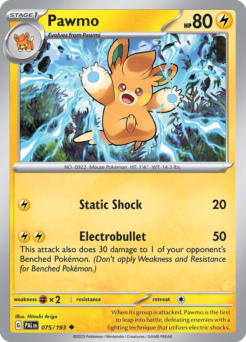
Paldea Evolved
When its group is attacked, Pawmo is the first to leap into battle, defeating enemies with a fighting technique that utilizes electric shocks.
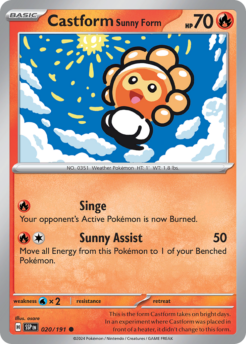
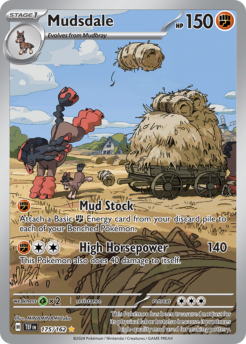
Scarlet & Violet
This Pokémon has been treasured not just for its physical labor but also because it produces high-quality mud used for making pottery.
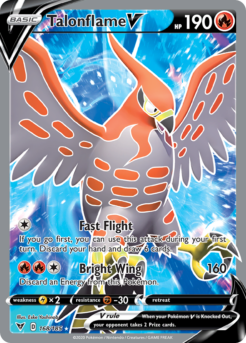
Sword & Shield
If you go first, you can use this attack during your first turn. Discard your hand and draw 6 cards.
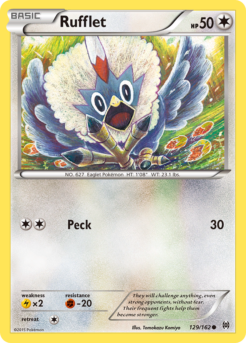
BREAKthrough
They will challenge anything, even strong opponents, without fear. Their frequent fights help them become stronger.
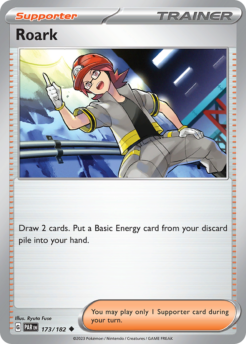
Related products
Sword & Shield
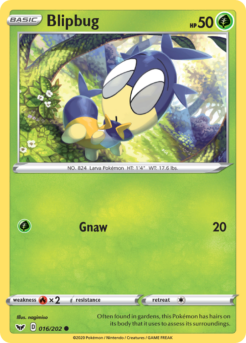
Often found in gardens, this Pokémon has hairs on its body that it uses to assess its surroundings.
Sword & Shield
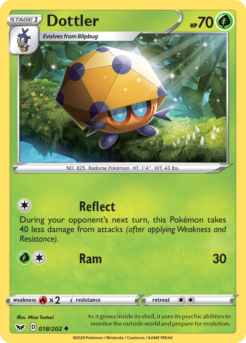
As it grows inside its shell, it uses its psychic abilities to monitor the outside world and prepare for evolution.
Sword & Shield
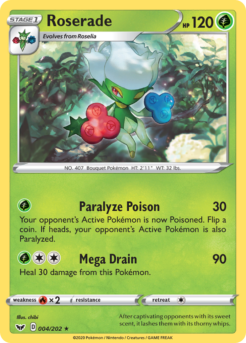
After captivating opponents with its sweet scent, it lashes them with its thorny whips.
Sword & Shield
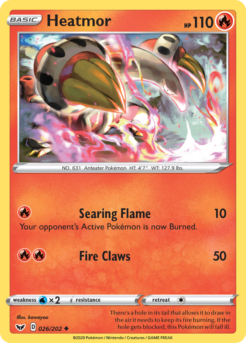
There's a hole in its tail that allows it to draw in the air it needs to keep its fire burning. If the hole gets blocked, this Pokémon will fall ill.
Sword & Shield
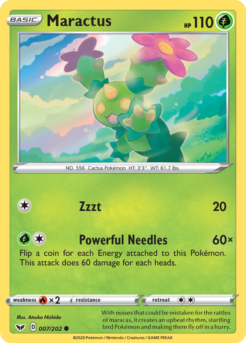
With noises that could be mistaken for the rattles of maracas, it creates an upbeat rhythm, startling bird Pokémon and making them fly off in a hurry.

Sword & Shield
Search your deck for up to 2 Pokémon, reveal them, and put them into your hand. Then, shuffle your deck.
Sword & Shield
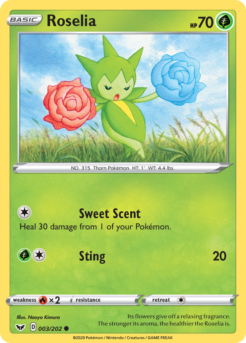
Its flowers give off a relaxing fragrance. The stronger its aroma, the healthier the Roselia is.
Sword & Shield
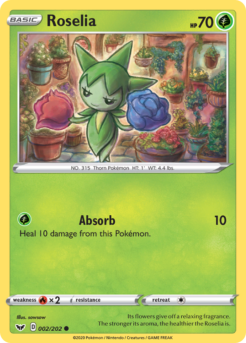
Its flowers give off a relaxing fragrance. The stronger its aroma, the healthier the Roselia is.