



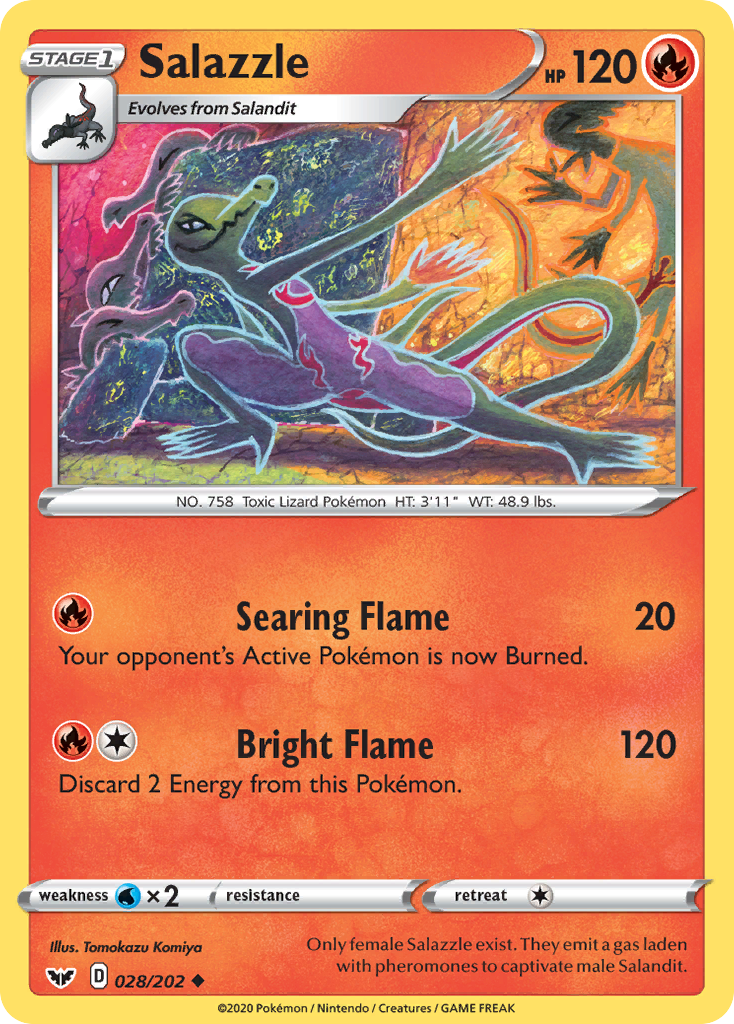
Salazzle
Only female Salazzle exist. They emit a gas laden with pheromones to captivate male Salandit.
Your opponent’s Active Pokémon is now Burned.
| Supertype | Pokémon |
|---|---|
| Subtype | Stage 1 |
| HP | 120 |
| Types | Fire |
| Attack | Searing Flame |
| Attack cost | Fire |
| Artist | Tomokazu Komiya |
| Rarity | Uncommon |
| Pokédex | 758 |
| Evolves from | Salandit |
Vendor Information
- Store Name: DutchGem
- Vendor: DutchGem
-
Address:
gekkestraat
179
2345GT Utrecht
151
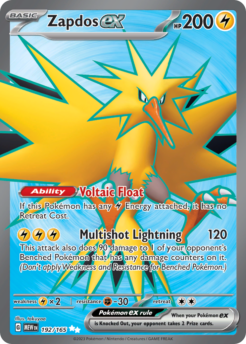
This attack also does 90 damage to 1 of your opponent’s Benched Pokémon that has any damage counters on it. (Don’t apply Weakness and Resistance for Benched Pokémon.)

Furious Fists
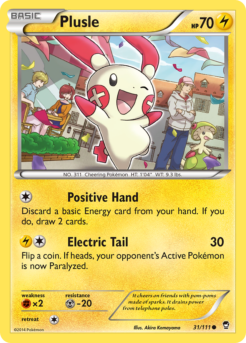
It cheers on friends with pom-poms made of sparks. It drains power from telephone poles.
Ancient Origins
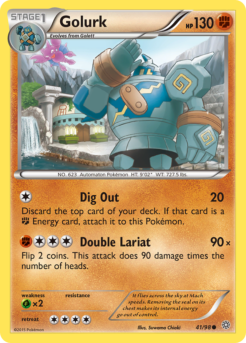
It flies across the sky at Mach speeds. Removing the seal on its chest makes its internal energy go out of control.
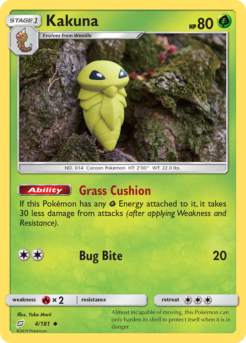
Sun & Moon
Almost incapable of moving, this Pokémon can only harden its shell to protect itself when it is in danger.
Related products
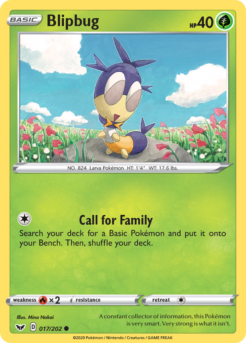
Sword & Shield
A constant collector of information, this Pokémon is very smart. Very strong is what it isn't.
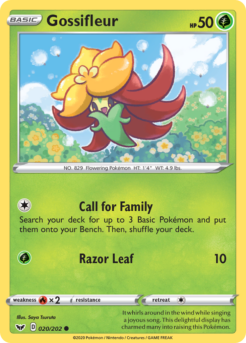
Sword & Shield
It whirls around in the wind while singing a joyous song. This delightful display has charmed many into raising this Pokémon.

Sword & Shield
Attach up to 3 Fire Energy cards from your discard pile to your Pokémon in any way you like.
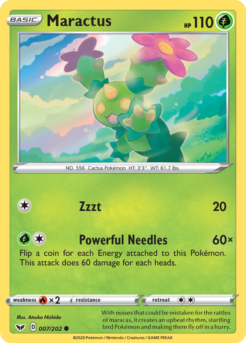
Sword & Shield
With noises that could be mistaken for the rattles of maracas, it creates an upbeat rhythm, startling bird Pokémon and making them fly off in a hurry.
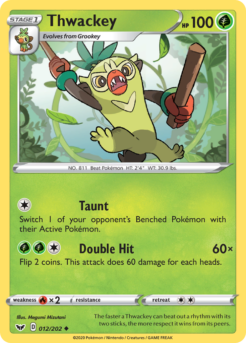
Sword & Shield
The faster a Thwackey can beat out a rhythm with its two sticks, the more respect it wins from its peers.
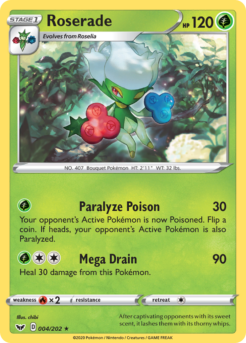
Sword & Shield
After captivating opponents with its sweet scent, it lashes them with its thorny whips.

Sword & Shield
Search your deck for up to 2 Pokémon, reveal them, and put them into your hand. Then, shuffle your deck.
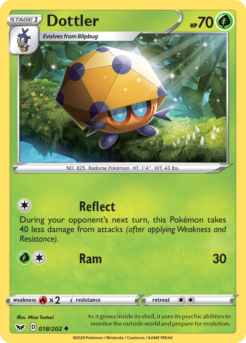
Sword & Shield
As it grows inside its shell, it uses its psychic abilities to monitor the outside world and prepare for evolution.